
 Oil Valley Film Festival
 Indie Shorts
 Society for Visual Anthropology Film and Media Festival
 Jersey Shore Film Festival
 Long Island International Film Expo
 Media Film Festival
 Newark Independent Film Festival
 Pottstown Film Festival
 River Valley Film Festival
 Roosevelt Island Film Festival
 Solange Film Festival
 Trenton Film Festival
 Glendale International Film Festival
 Fayetteville Film Fest
 Steubenville International Film Festival
 Texas Documentary Film Festival
Synopsis
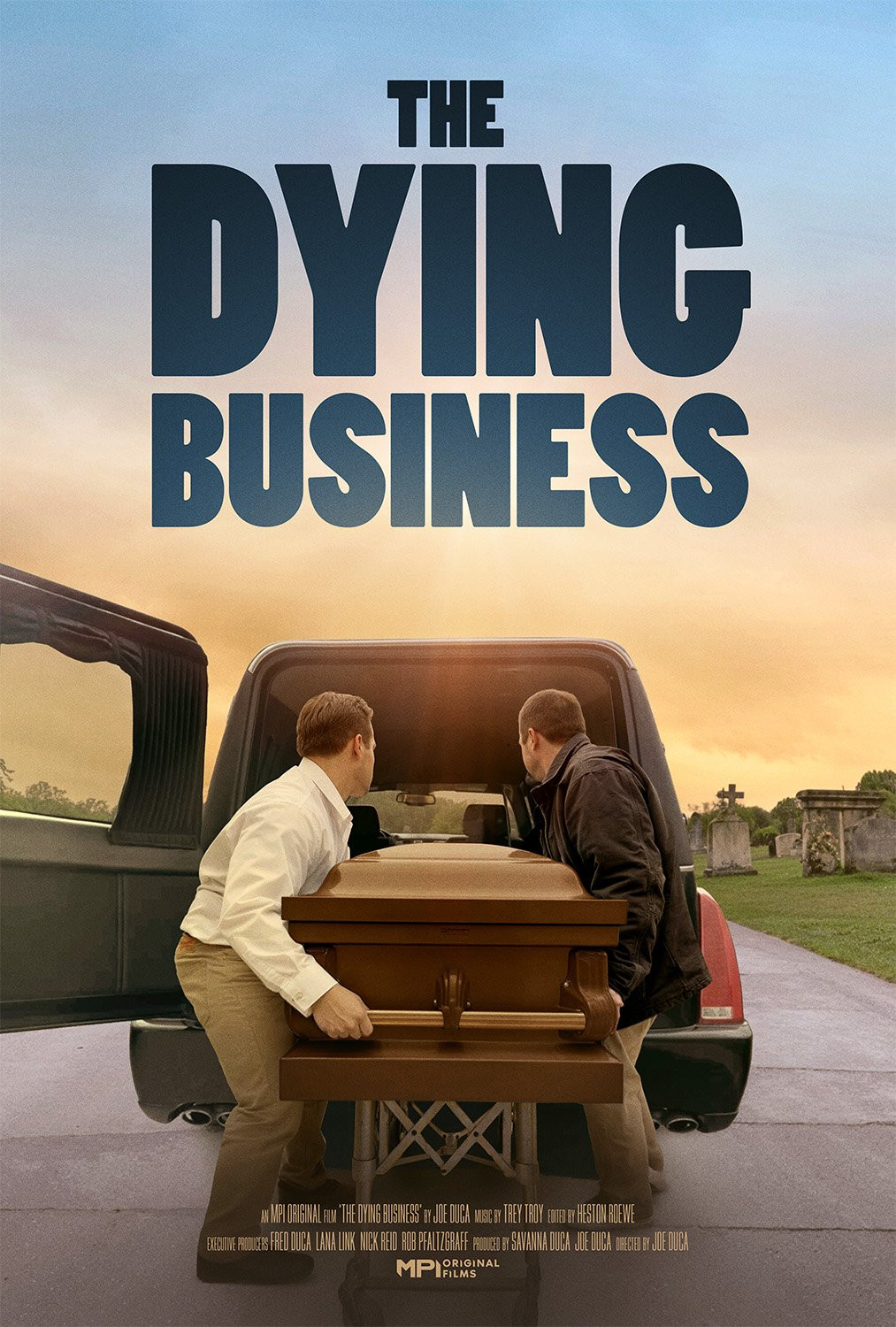
Frank Jr. wants to retire and pass on his funeral home on to his sons, Bradley and Frankie III. But with their business suffering from a declining population, the rise in cheap cremations, and government overreach, they must find a way to innovate in order to survive. As pressures mount, they wrestle with their family legacy, question whether or not it’s worth it to continue, and face what would be lost if they didn’t.
Joe Duca
Writer, Director, Producer
Savanna Duca
Producer
Heston Roewe
Editor
Fred Duca
Executive Producer
Lana Link
Executive Producer
Nick Reid
Executive Producer
Rob Pfaltzgraff
Executive Producer
Screenings
About The Filmmaker
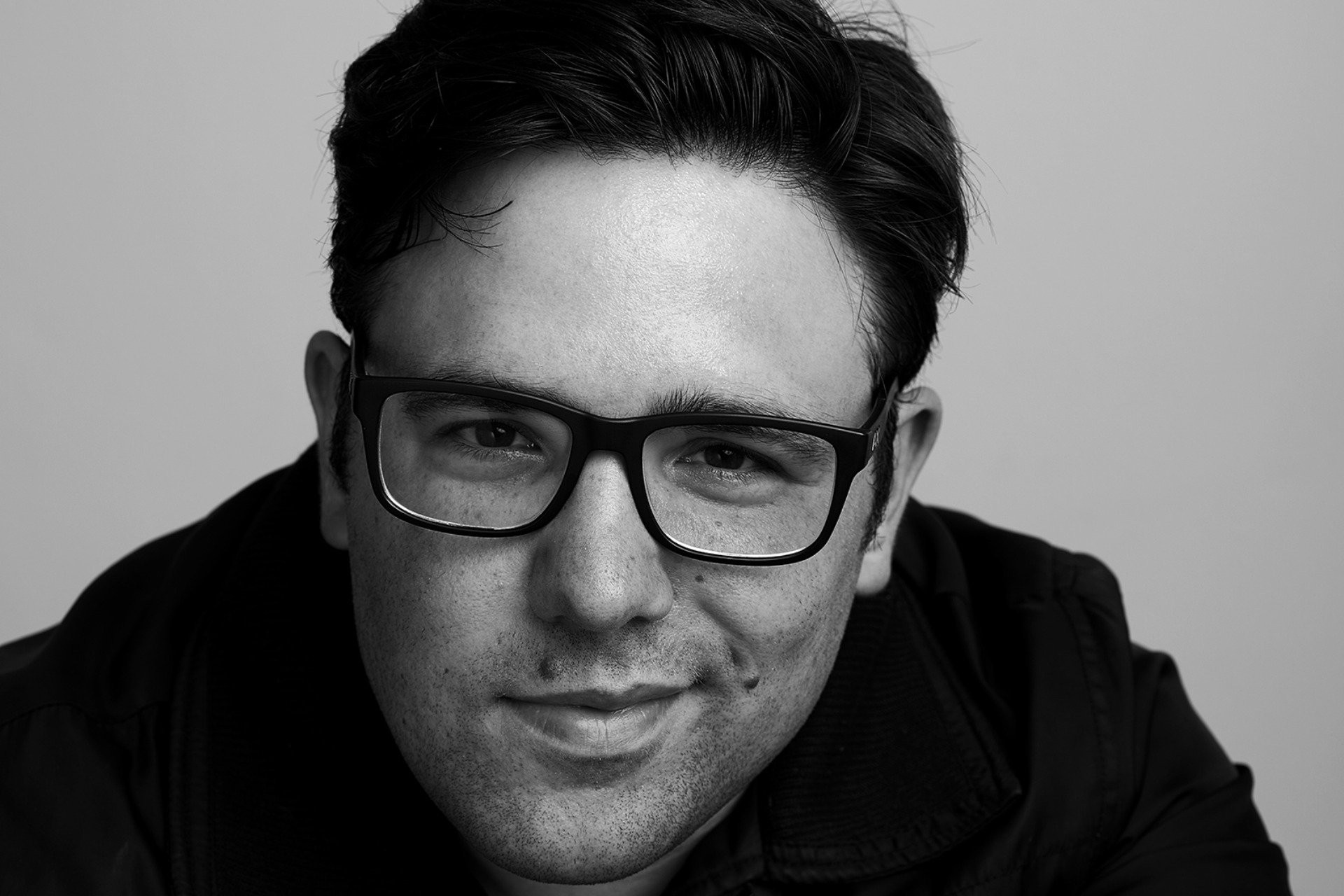
Los Angeles–based writer and director Joe Duca is on a mission to create a more hopeful world—24 frames at a time. Informed by his Sicilian and Puerto Rican heritage, his films blend thrills with thoughtfulness, humor with heartbreak, and hope with wonder.
His first feature film, Evergreen (2019)—hailed as a “moving testament to love's simultaneous preciousness and fragility” and a “sublime achievement”—won Best Picture, Best Actress, and Best Supporting Actress from the Houston Broadcast Critics Association; the Best Director Award at the Hunter Mountain Film Festival; and the Audience Choice Award from the Fort Worth Indie Film Showcase.
Joe’s second feature, Her Name Was Jo (2020)—both an intimate coming-of-age portrait and a sweeping road movie—premiered at the Lighthouse International Film Festival before winning Best Narrative Feature at both Filmocracy Fest and the Kansas City FilmFest International. Her Name Was Jo went on to secure distribution through Gravitas Ventures and was initially acquired by Paramount+ domestically and HBO Max in Europe, before earning its ongoing run on Amazon Prime. His feature script Len & Sal in Sperryville was honored by Judge Francis Ford Coppola and the Zoetrope staff as a finalist in the 2024 American Zoetrope Screenplay Competition.
Joe is a native of Northern Virginia and a graduate of Christendom College. After moving to L.A., he studied screenwriting through the Act One Program and under the mentorship of Joe Aaron—co-creator of Disney’s Doug—and award-winning playwright and screenwriter Corey Mandell.
In addition to having produced and directed two features, he has created a bevy of shorts and music videos, written five screenplays and three television pilots, and is committed to creating thoughtful, thrilling, compassionate cinema for years to come.
Director's Statement
After my grandpa died, at the funeral reception, my Uncle Frankie approached me about converting a book he wanted to write—Death of the Undertaker—into a film that shared his experiences as a funeral director and family business owner. He’s in the dying business, he told me, and it felt like a dying business, with cremation rates spiking and traditional rites surrounding death on the decline.
During that same trip—being with family, listening to stories about my grandparents, and seeing the cemetery my great-grandfather built so Italians had a place to rest in Johnstown (the existing cemetery at the time wasn’t so friendly to Italians)—I was moved to explore my family roots more deeply. As a suburban kid from “Wal-Mart, America,” I have always longed to connect with my history, be part of a place and a tradition, and be rooted in something deeper than SpongeBob and cul-de-sacs.
Furthermore, we all die—and nowadays, people are doing it more privately, more quickly, and more alone. We’ve shunted off death into nursing homes and hospitals. We’re inundated with news headlines about it, yet we’re not presented with ways to process it as a society. But death, while awful, is an ordinary thing. And by pulling back the curtain, by showing the ordinary, relatable struggles of running a business—in its humor and its heartbreak—I hope this piece will offer audiences a little bit of comfort, provide an opportunity to reflect on what decisions we can make for ourselves and those we love, and maybe take some of the scariness away.
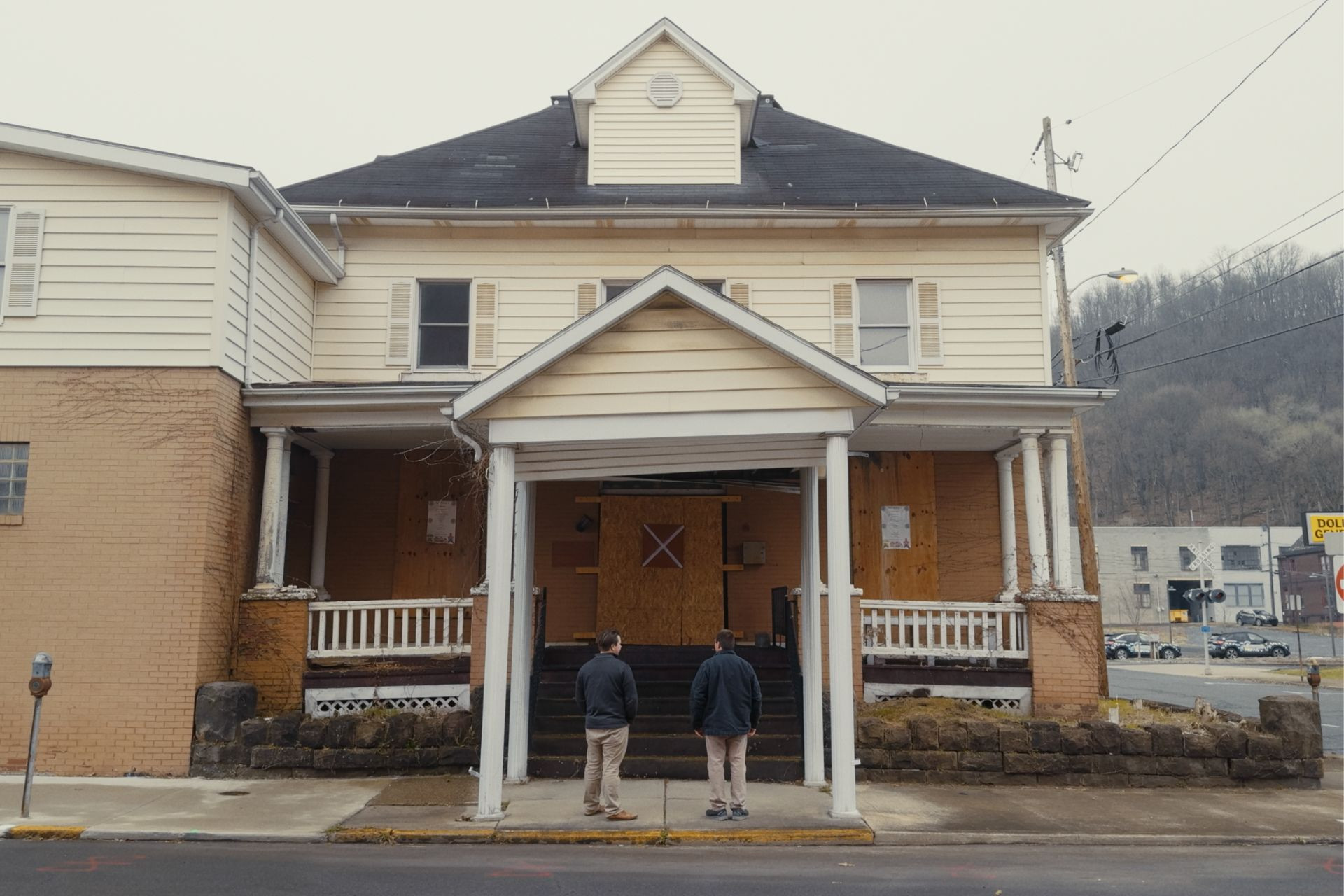
All these inspirations melded, and I hoped that in exploring my immediate family’s experience of fighting to preserve their family business, I too could participate in the act of preserving memories and honoring the work of those who came before us. So I spent half a year living above the funeral home and saw their work with my own eyes—and now you get to, too.

About The Filmmaker
Los Angeles–based writer and director Joe Duca is on a mission to create a more hopeful world—24 frames at a time. Informed by his Sicilian and Puerto Rican heritage, his films blend thrills with thoughtfulness, humor with heartbreak, and hope with wonder.
His first feature film, Evergreen (2019)—hailed as a “moving testament to love's simultaneous preciousness and fragility” and a “sublime achievement”—won Best Picture, Best Actress, and Best Supporting Actress from the Houston Broadcast Critics Association; the Best Director Award at the Hunter Mountain Film Festival; and the Audience Choice Award from the Fort Worth Indie Film Showcase.
Joe’s second feature, Her Name Was Jo (2020)—both an intimate coming-of-age portrait and a sweeping road movie—premiered at the Lighthouse International Film Festival before winning Best Narrative Feature at both Filmocracy Fest and the Kansas City FilmFest International. Her Name Was Jo went on to secure distribution through Gravitas Ventures and was initially acquired by Paramount+ domestically and HBO Max in Europe, before earning its ongoing run on Amazon Prime. His feature script Len & Sal in Sperryville was honored by Judge Francis Ford Coppola and the Zoetrope staff as a finalist in the 2024 American Zoetrope Screenplay Competition.
Joe is a native of Northern Virginia and a graduate of Christendom College. After moving to L.A., he studied screenwriting through the Act One Program and under the mentorship of Joe Aaron—co-creator of Disney’s Doug—and award-winning playwright and screenwriter Corey Mandell.
In addition to having produced and directed two features, he has created a bevy of shorts and music videos, written five screenplays and three television pilots, and is committed to creating thoughtful, thrilling, compassionate cinema for years to come.
Director's Statement
After my grandpa died, at the funeral reception, my Uncle Frankie approached me about converting a book he wanted to write—Death of the Undertaker—into a film that shared his experiences as a funeral director and family business owner. He’s in the dying business, he told me, and it felt like a dying business, with cremation rates spiking and traditional rites surrounding death on the decline.
During that same trip—being with family, listening to stories about my grandparents, and seeing the cemetery my great-grandfather built so Italians had a place to rest in Johnstown (the existing cemetery at the time wasn’t so friendly to Italians)—I was moved to explore my family roots more deeply. As a suburban kid from “Wal-Mart, America,” I have always longed to connect with my history, be part of a place and a tradition, and be rooted in something deeper than SpongeBob and cul-de-sacs.
Furthermore, we all die—and nowadays, people are doing it more privately, more quickly, and more alone. We’ve shunted off death into nursing homes and hospitals. We’re inundated with news headlines about it, yet we’re not presented with ways to process it as a society. But death, while awful, is an ordinary thing. And by pulling back the curtain, by showing the ordinary, relatable struggles of running a business—in its humor and its heartbreak—I hope this piece will offer audiences a little bit of comfort, provide an opportunity to reflect on what decisions we can make for ourselves and those we love, and maybe take some of the scariness away.
All these inspirations melded, and I hoped that in exploring my immediate family’s experience of fighting to preserve their family business, I too could participate in the act of preserving memories and honoring the work of those who came before us. So I spent half a year living above the funeral home and saw their work with my own eyes—and now you get to, too.